Published essay
“Crewing” in the Dark
Readiness, household stewardship, and running alongside.
Clinical work reaches beyond the clinic. Its demands, sacrifices, and costs shape the life and future of the household.
Essays and practical tools by Nathan Eckel on faith, clinical work, and covenant household stewardship. I write to name hidden burdens, examine inherited assumptions, and make consequential household questions clearer.
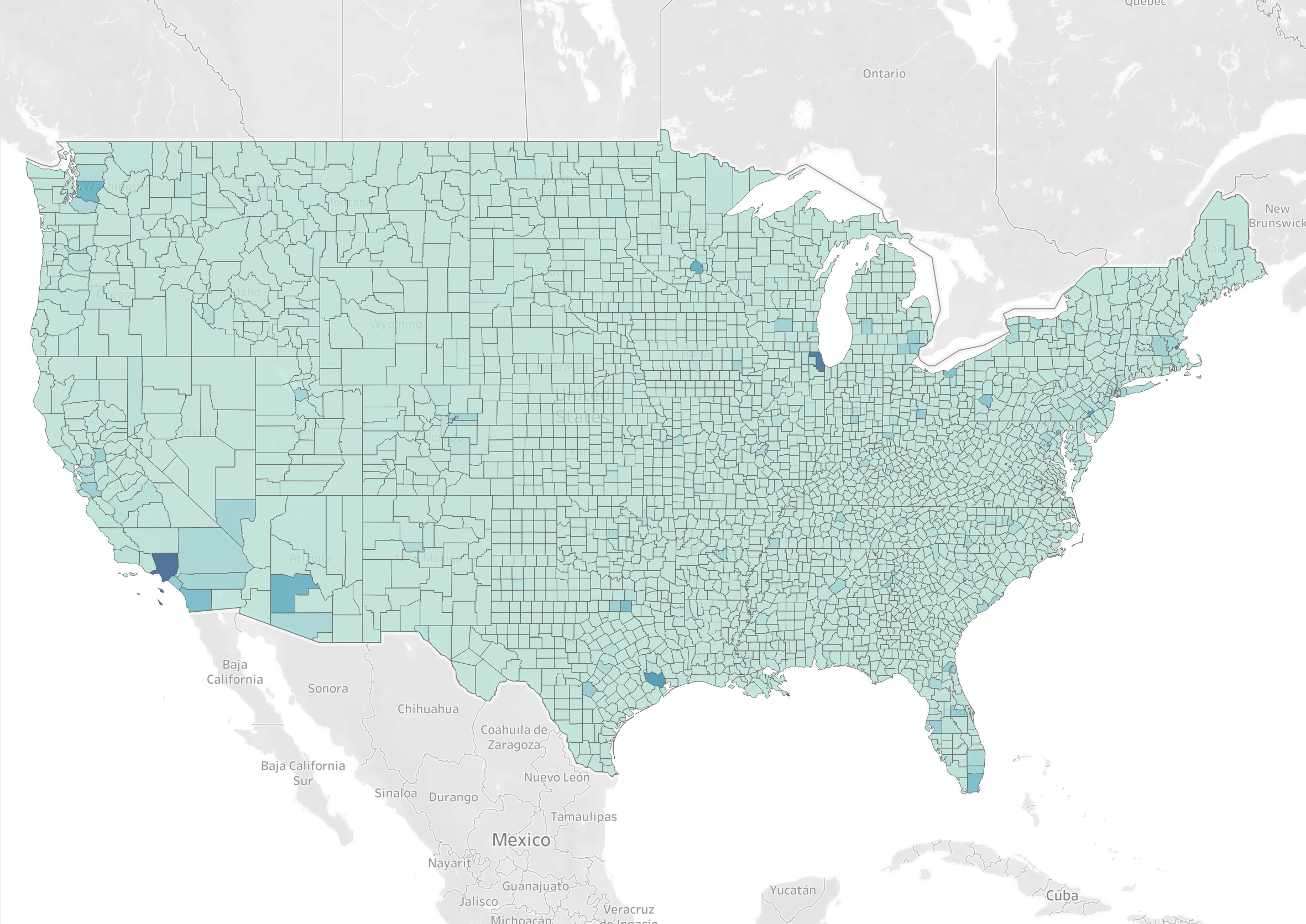
Read the essays →Where specialists practice affects the choices available to clinicians, institutions, and the households that support them. The nonprofit Clinical Capacity Institute is developing a county-level Specialty Atlas to explore those patterns.
The planned 2027 release introduces two specialty layers each week over approximately 30 weeks. A map of workforce locations is a starting point—not a measure of a clinician's actual availability or workload.
CCH is primarily for physicians and their covenant households, with a broader welcome to clinicians and clinical staff seeking to follow God under the Fear of the Lord.
Physicians bear ultimate clinical responsibility under their licensure. Our primary focus begins there. What we learn should also serve midlevel clinicians, pharmacists, nurses, and the wider clinical staff stewarding covenant households.
Personal essays and practical questions about clinical work, household readiness, faith, and financial stewardship. Read the full articles on Substack.
Readiness, household stewardship, and running alongside.
Obedience, a physician mortgage, and previously unseen options.
New essays are published on Substack. This site links to the publication; full articles remain at their original source.
“Covenantal” names marriage as God ordained it: a sacred commitment to husband or wife until death, with responsibilities defined on His terms.
We embrace the demanding standard of Scripture, depend on God’s grace and power, repent when we fall short, and press toward the mark.
Amid moral disarray, we seek to support covenantal clinical households within the wider household of faith. Other ministries serve broader needs; there is room for this focused work. I write to clarify these tensions and help households consider their next faithful step.
We are interested in the pressures that can remain invisible when clinical work is viewed only through the professional: fragmented instructions, scarce planning windows, postponed decisions, and commitments whose consequences reach the whole family.
Precise language can help us ask better questions, identify responsibility, and make practical decisions together.
What is consuming time or attention? Who is carrying it? What information or decision is missing?
What have we promised? What does it require of our household? What should we understand before renewing or expanding it?
Recovery, communication, and planning need a place in the calendar. Margin helps a household act deliberately.
Choose one postponed household question. Write it down in a form the other person can read when there is room to consider it.
An invitation to explore does not create an obligation to decide immediately.
The Fear of the Lord grounds our accountability before God. The Table of the Lord calls us to examine ourselves and recognize our obligations to one another in Christ.
Together, they shape Christian liberty through willing stewardship, humility, and mutual correction—guarding against legalism and the control of conscience by others.
Clinical life carries a tension between suffering, sacrifice, and blessing. Prosperity is a scriptural blessing—and, like liberty, a fragile state. The human heart can turn it toward greed or cling to austerity as a virtue.
Properly stewarded, prosperity makes room for freedom, generosity, good works, and rewards in this life and the life to come.
We seek to name specific actions, obligations, and consequences so that important conversations become easier to understand. Biblical convictions, economic evidence, and developing hypotheses each deserve careful treatment.
The spouse and children have needs, questions, and futures of their own. CCH seeks to make those visible alongside the responsibilities of clinical work.
I am developing essays and practical tools around household communication, clinical commitments, transitions, and stewardship. This website is the home of that writing.
Written by Nathan Eckel. CovenantClinical.org is the home of the Covenantal Clinical Household.
Clinical commitments are lived by more than the clinician. Spouses, children, and households share their consequences, even when they have little authority over the decisions. We acknowledge real financial and professional obligations without making prevailing market expectations our highest authority. We seek to live in the world but not of the world (John 17:14–18).